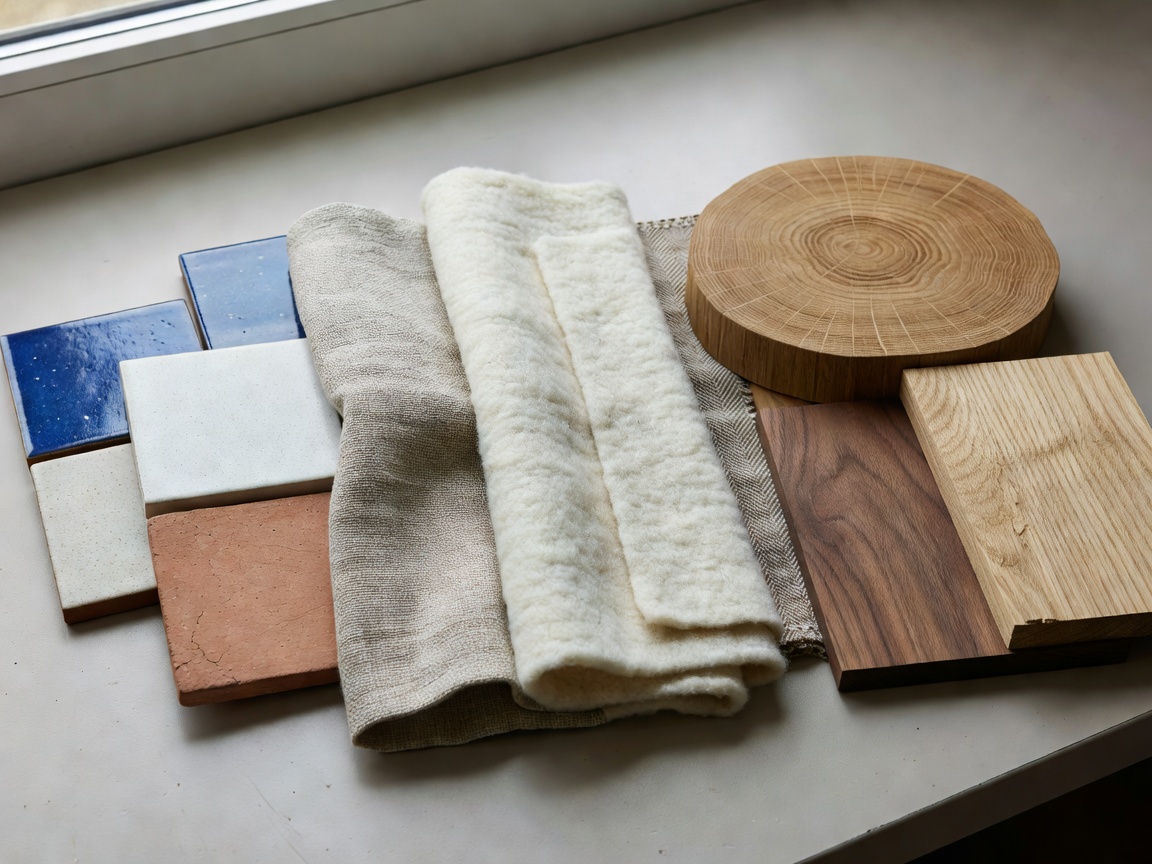
Independent design markets make comparison possible. Several objects may share a category while differing in production method, durability and care. Slow down before buying. Record facts that remain useful after the event: dimensions, material, finish, maker, origin, edition and logistics.
Furniture
Check the structure before the surface. Ask about timber species, board construction, joinery, upholstery, coatings and replacement parts. Confirm full dimensions, access requirements and packed dimensions. A beautiful chair that cannot pass through a stairwell is a planning error.
Small-batch furniture may change between batches. Natural timber, stone and woven materials can vary. Ask which differences are expected and which indicate a fault.
Ceramics and glass
Use questions that match the object. Is a vessel food-safe? Is it dishwasher-safe? Is a glaze intentionally variable? Is the item decorative only? For glass, ask about heat, impact and cleaning. Packaging should protect edges, handles and thin walls.
Textiles
Identify fibre, weave, dye, backing and care instructions. Light, moisture and friction affect textiles differently. For rugs or wall pieces, ask about hanging systems and finished dimensions. A textile's hand feel is useful, but it does not replace composition information.
Lighting and small objects
Lighting requires electrical information, cable length, bulb compatibility and installation conditions. Small objects need less transport planning but still deserve attention to finish, stability, cleaning and intended use. Prints need edition details, paper information, signature status and protection from bending.
Production and finishing
Ask who performs each stage. A studio may design an object and use a specialist workshop. That is not a weakness. Clear production information lets you understand scale, quality control and future availability. Ask whether the object is one-off, numbered edition, open edition, made-to-order or repeatable batch.
Finishing affects use. Check coatings, waxes, glazes, oils, adhesives and hardware where relevant. Do not assume a raw surface is maintenance-free.
Repairability and provenance
Repairability is practical design information. Ask whether parts can be replaced, surfaces refinished and textiles re-covered. Keep invoices, care notes and maker contact details. Provenance may include maker, studio, workshop, material source, edition number or previous ownership. The level of documentation should match the object.
A comparison checklist
- What is it made from?
- Where does production happen?
- Who completes the work?
- What varies between pieces?
- How is it cleaned and repaired?
- How is it packed and delivered?
- What records come with the purchase?
Good for
- Comparing objects beyond surface appearance.
- Buying small-batch pieces with realistic care plans.
- Understanding the difference between design and manufacture.
- Reducing damage during transport and installation.
What to know
Specifications vary by maker and object. This guide does not provide product claims. Request current details directly from the seller before purchase.