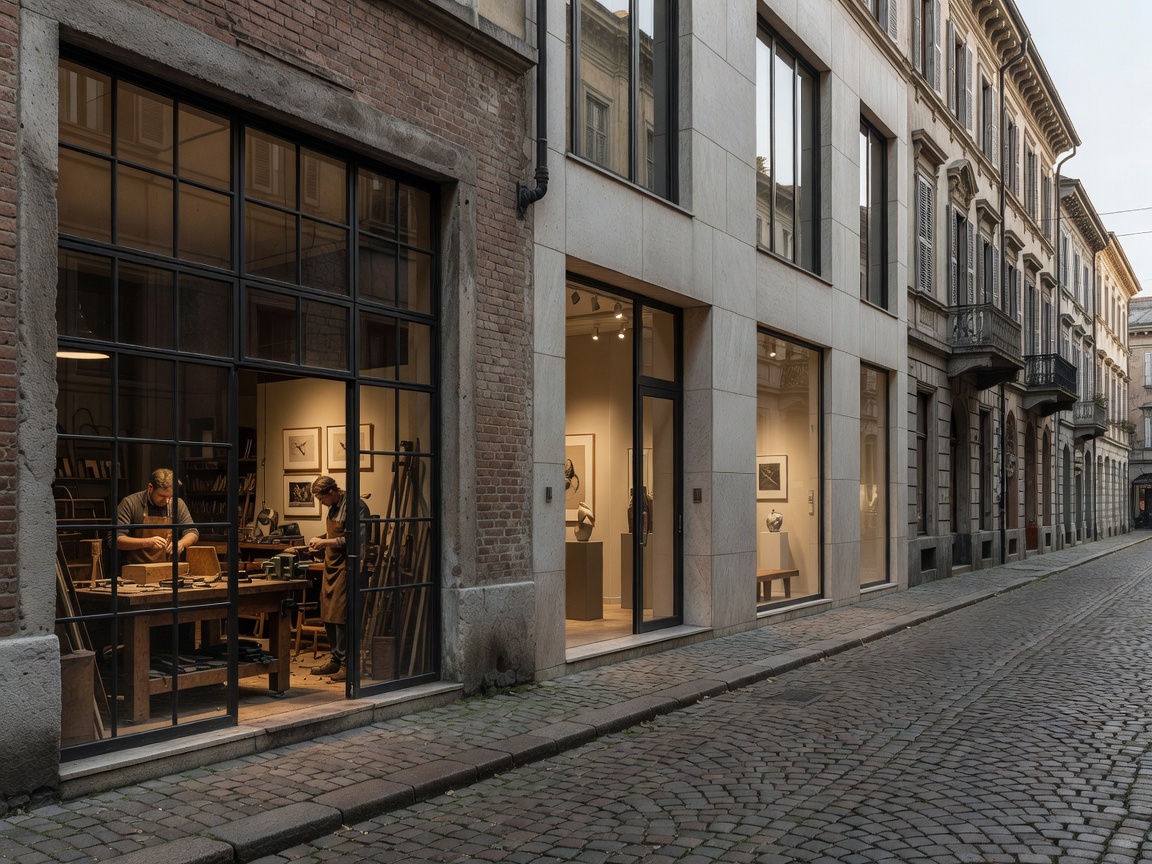
Europe does not contain five sealed design systems. A city may use local clay, imported timber, digital fabrication and international studio language at once. Regional lenses still help visitors decide what to look for. Use them to form questions, not rankings.
Northern Europe
Markets across the north often place attention on timber, wool, paper, glass, restraint and long-term use. Furniture can be a major reference point, but the same logic appears in lighting, textiles and household objects. Look for construction details, repair information and the relationship between material economy and form.
Urban scenes may connect independent studios with design shops, architecture practices and seasonal public programmes. Weather affects venue choice and market rhythm. Outdoor formats require a different plan from indoor districts.
Western Europe
Western European markets often sit within dense networks of galleries, retail streets, schools, manufacturers and cultural venues. A single visit may move between a maker market, a fair, a gallery presentation and a design district. Distinguish direct maker sales from gallery representation.
Furniture and collectible objects may be presented with strong curatorial language. Check edition, commission and delivery terms. A polished presentation does not replace technical information.
Central Europe
Central European scenes can combine industrial production, furniture knowledge, ceramics, glass, metalwork and new fabrication. Markets may reveal links between established workshops and younger studios. Ask whether an object is made in-house, contracted locally or produced through a mixed process.
Historic centres and former industrial areas may host different formats. Transport between them can take longer than the map suggests. Plan by district rather than by national label.
Southern Europe
Ceramics, stone, wood, fibre, leather and surface treatment can be especially visible in southern markets. Light, climate and outdoor social patterns influence display. A market may blend design objects with food, craft or neighbourhood activity. Identify the event's primary purpose before assuming it is a design fair.
For ceramics and textiles, ask about care, variation and production scale. Handmade variation is information, not automatically a fault.
Eastern Europe
Eastern European design scenes may connect craft revival, industrial memory, small workshops and experimental studio practice. Materials can carry local history without defining every object. Look for repair, adaptation and new uses of existing production knowledge.
Independent studios may operate with small teams. Lead times and export logistics can differ from those of larger retailers. Request clear information before purchase.
Compare without flattening
- Material: what is locally available, imported or reclaimed?
- Production: studio-made, workshop-made, factory-assisted or commissioned?
- Format: market, fair, district, gallery or festival?
- Scale: one-off, edition, small batch or repeatable product?
- Logistics: carry, collect, ship or arrange later?
Good for
- Building a city route around production clusters.
- Comparing material traditions without national stereotypes.
- Finding studios beyond major fair calendars.
- Planning questions before a market visit.
What to know
Regional categories change over time. Current event information belongs to official organisers and venues. Check language, payment, transport and delivery conditions locally.