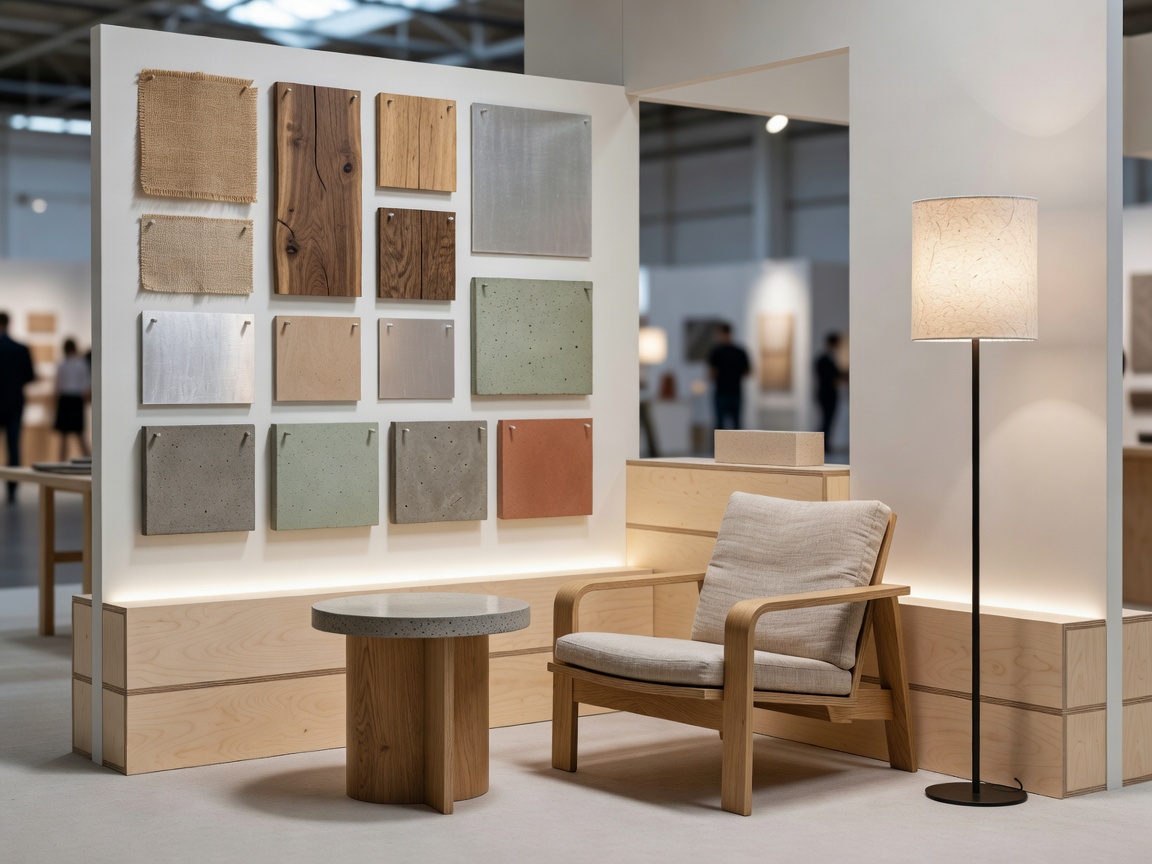
Independent fairs vary widely. Some are built around emerging studios. Others combine collectible design, furniture, ceramics, textiles, lighting and prints. Some favour direct sales. Others behave like exhibitions with trade appointments around them. The name alone does not tell you the purpose.
Start with the fair format
Look for the scale of the venue, the number of exhibitors, the presence of talks and the role of sales. A compact fair can make studio conversations easier. A larger fair may provide more comparison but less time per exhibitor. A fair with a gallery section may use different pricing, edition and provenance conventions from a maker-led area.
How selection works
Selection may be juried, invited, open-call or organised by category. Read the organiser's explanation. A strong selection statement helps you understand whether the fair prioritises material research, local production, collectible work, commercial furniture or emerging practice.
Do not infer quality from a booth position, catalogue size or visual polish. Ask who made the object, where it was produced, what is standard, what is custom and how future repairs are handled.
What you may find
- Furniture: establish dimensions, weight, lead time and delivery conditions.
- Ceramics: ask about firing, food use, glaze care and replacement options.
- Textiles: identify fibre, weave, dye, cleaning and light sensitivity.
- Lighting: request electrical information and installation requirements.
- Prints: clarify edition size, paper, signature and framing.
- Collectible objects: record authorship, edition, provenance and condition.
Plan the visit
Review the official organiser source before travel. Dates, entry rules, venue access, participant lists and ticket conditions can change. Current information is not supplied here. Save the floor plan if one exists. Mark the sections that matter. Allow a second pass for objects that need comparison.
Wear practical clothing. Carry a phone for dimensions and notes. Bring a small measuring reference. Ask before photographing. Keep walkways clear. A fair is a working environment for exhibitors as well as a public visit.
Purchasing considerations
Price is only one variable. Record tax treatment, invoice details, deposit terms, collection date, shipping responsibility and return conditions. For a unique object, ask how condition is documented. For a small-batch object, ask whether future batches will vary. For custom work, request a written specification before paying.
Good for
- Comparing studios under one curatorial frame.
- Seeing prototypes, editions and production samples.
- Meeting makers or representatives directly.
- Finding work that may not appear in ordinary retail.
What to know
Independent does not mean informal. Some fairs have precise sales systems. Others leave logistics to each exhibitor. Confirm the process for the object you want. Do not rely on an old event page or an unofficial schedule.